Why Buy a Manual Coffee Grinder?
Daniel
Author
Published
3 min read
Read Time
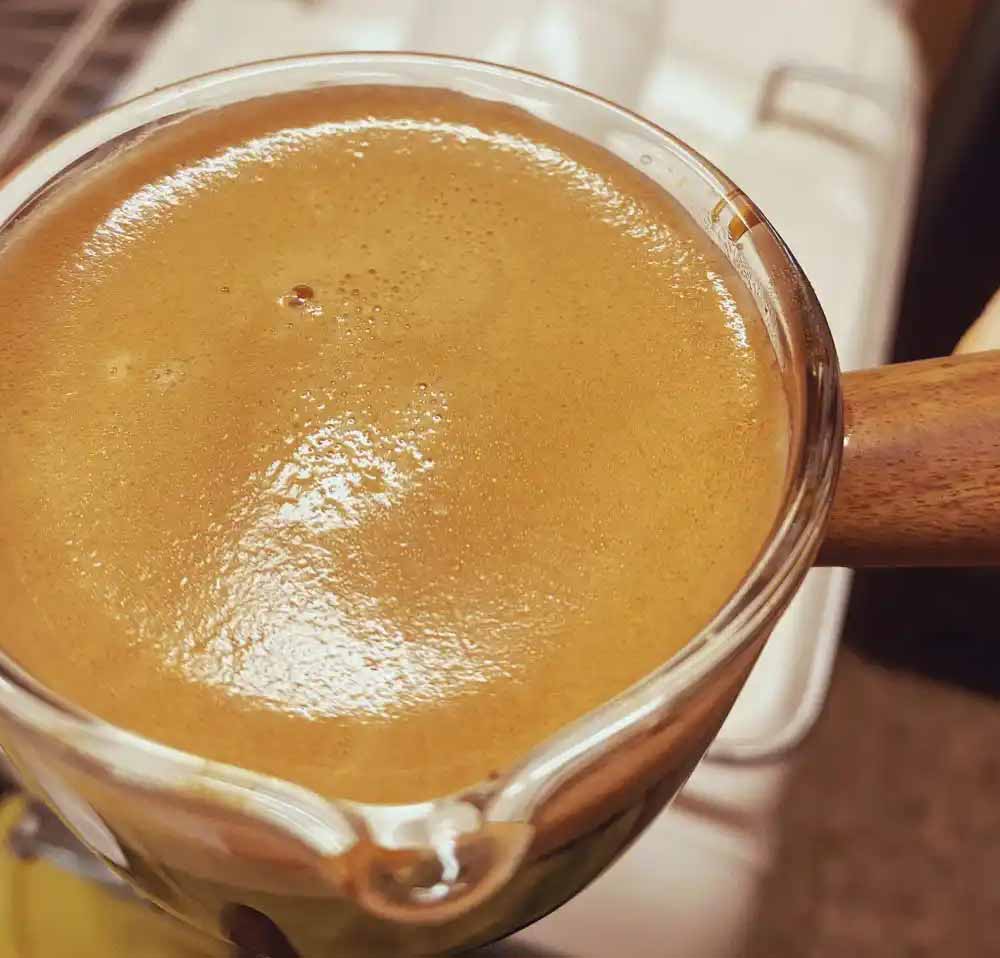
If you ask me what fascinates me the most about coffee, my answer is simple: that magical layer of crema on a fresh espresso. Whenever I see that golden, velvety blanket floating on top of my cup, I feel like it’s the very soul of the drink. Ironically, it took me ages—and plenty of failed home experiments—to realize just how elusive that perfect crema can be.
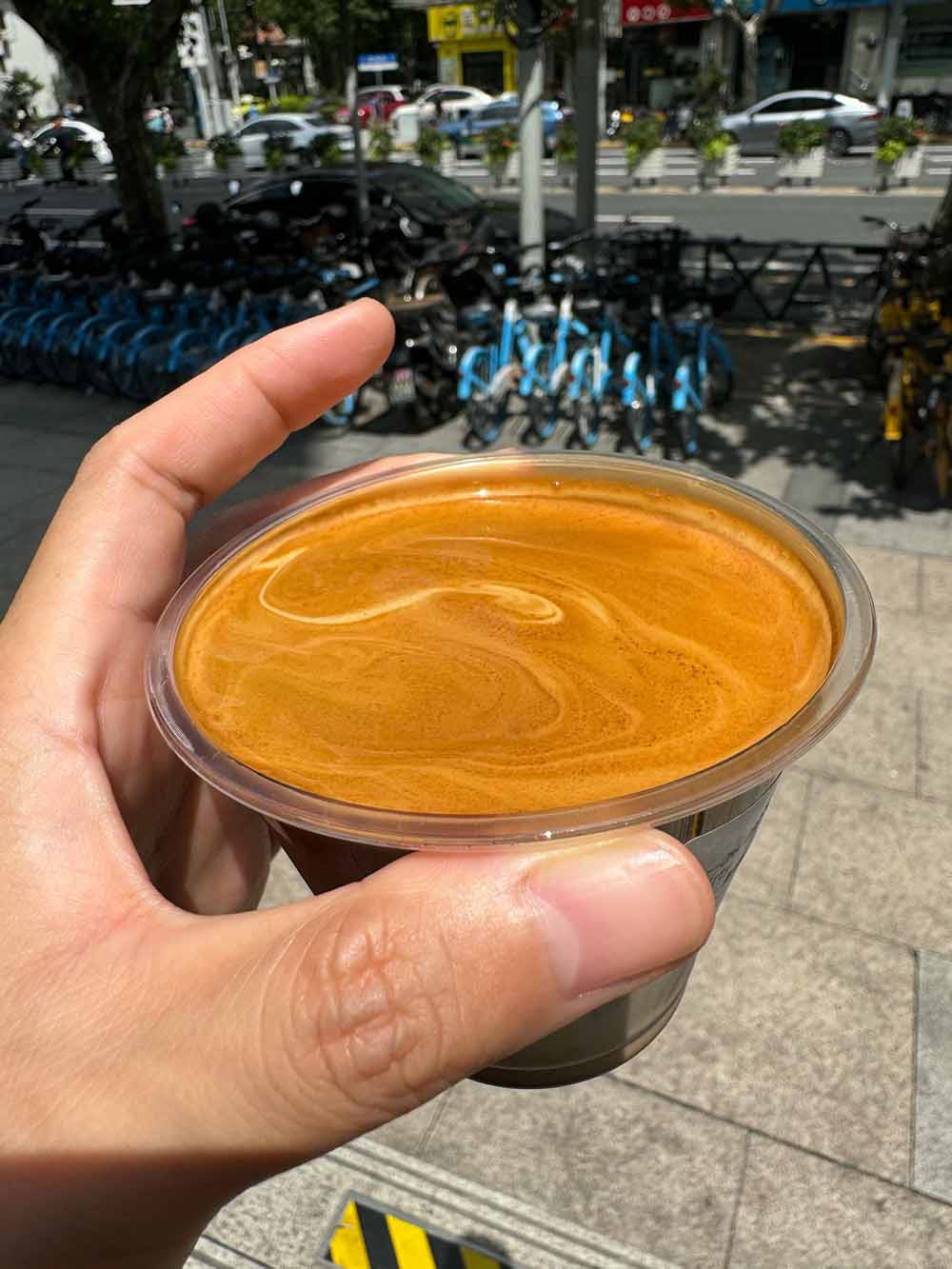
My obsession traces back to a fateful summer afternoon at a specialty café. I ordered an iced latte, and as soon as the shot hit the milk, the crema swirled at the rim, thick and lustrous, like a glimmering silk scarf. In that moment, I felt genuinely touched—who knew a cup of coffee could be so multi-dimensional and beautiful?
Determined to recreate that happiness at home, I pulled out all the stops: a semi-auto espresso machine, the freshest beans, a barista milk pitcher, even set my grinder to the textbook espresso setting. I pressed the button with high hopes—but the crema was thin and shy, clinging sadly to the cup’s edge. Where was that luxurious, lip-coating texture?
I tried every trick in the book: tweaking grind size, dialing in pressure to 9 bars, even experimenting with robusta blends and kettle hacks for higher pressure. The results were…underwhelming. Gradually, I learned through online rabbit holes and coffee forums that great crema isn’t just about grind size or fancy equipment. It’s a domino effect—grind consistency influences extraction speed, pressure determines crema release, and the notorious “channeling effect” can ruin everything if your coffee puck isn’t even. One bit of uneven powder, and water cuts a shortcut through your coffee bed, stripping away all those precious oils.
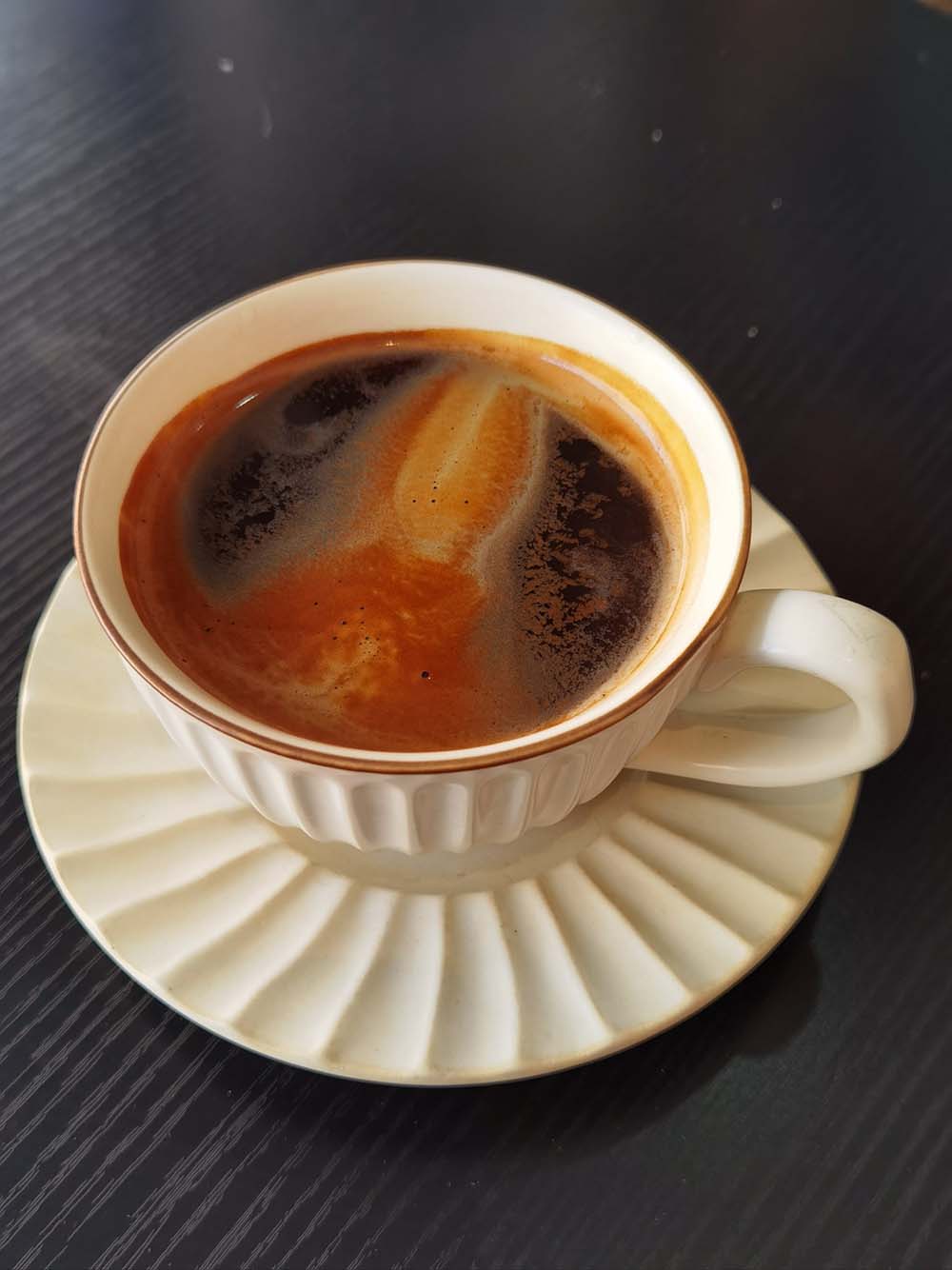
I kept tweaking and troubleshooting, but it was always a wild goose chase. Crema would come and go, never the way I wanted it.
Then one day, a friend introduced me to his R50PRO manual coffee grinder. I watched him slowly turn the handle, and honestly, it looked a bit old-school compared to my tech-savvy electric grinder. But when I used the powder from that hand-cranked grinder—the real magic happened. The extraction was uniform. The water flowed evenly, minimizing channeling. As a result, thick, stable crema nestled on the surface, gold and persistent, lasting for minutes. That’s when it clicked: manual grinding gives you naturally consistent fine grounds, letting pressure distribute more evenly across the coffee bed. With less channeling, more of those precious oils are extracted and emulsified into a glorious, lingering layer.
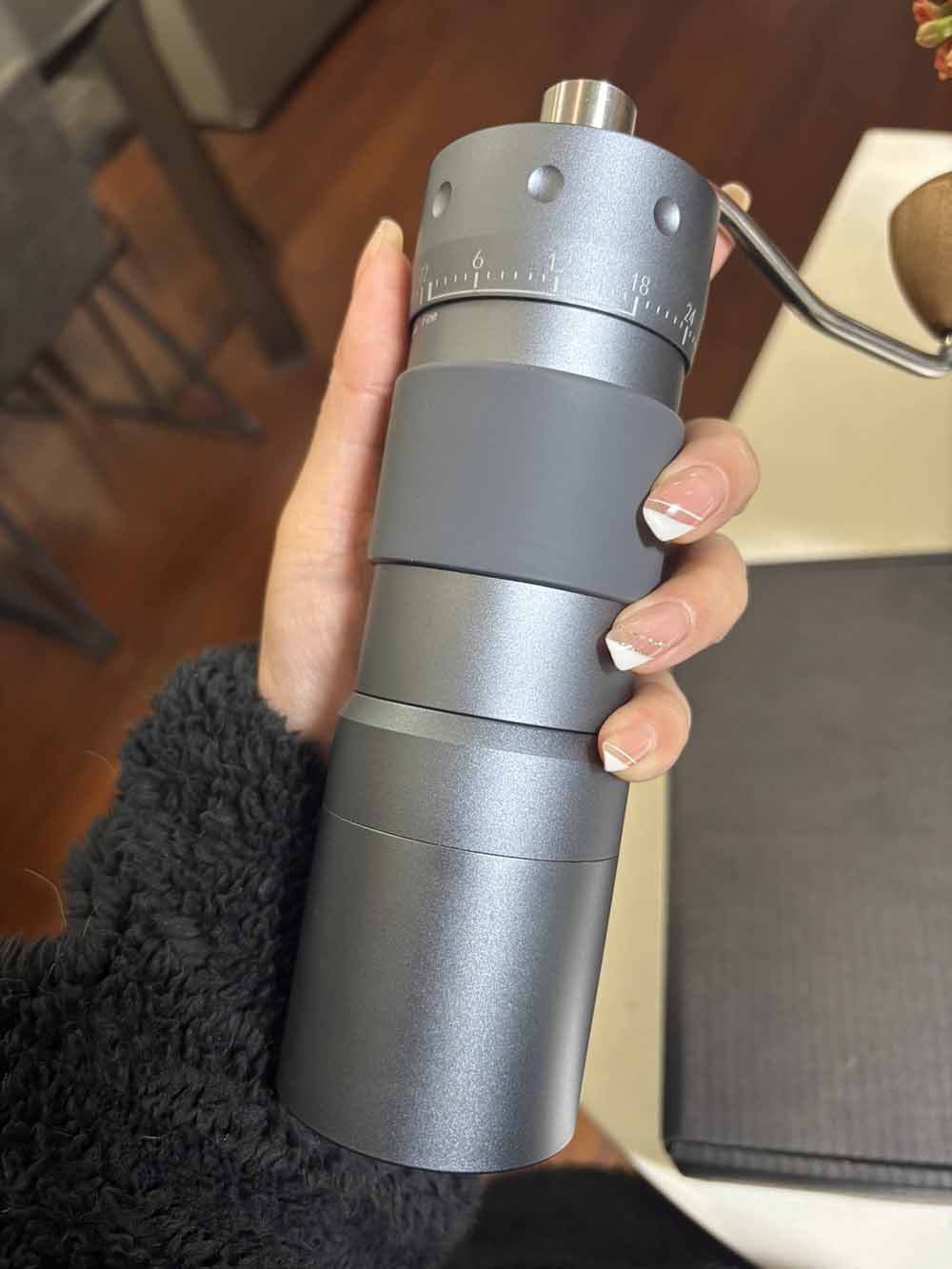
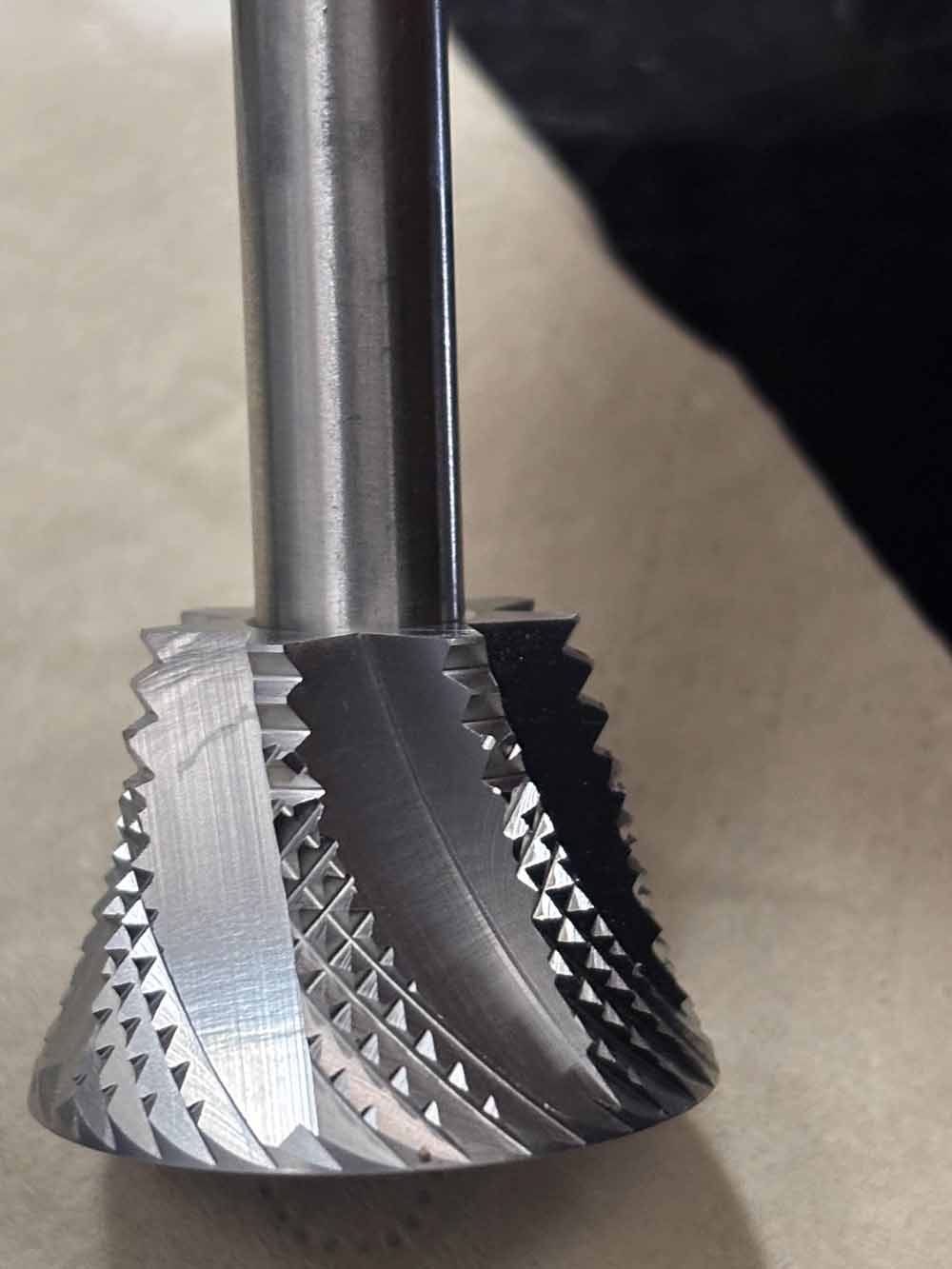
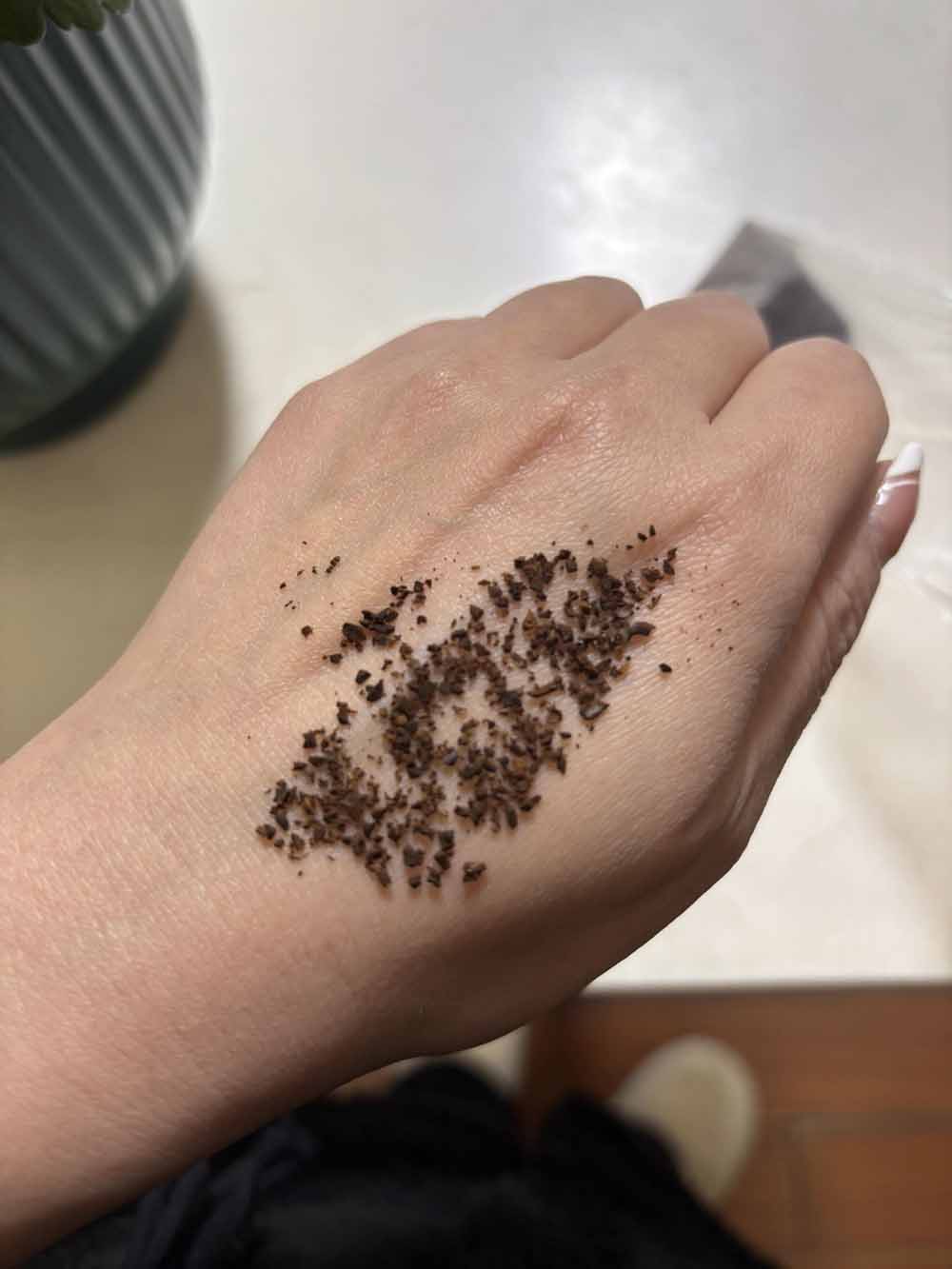
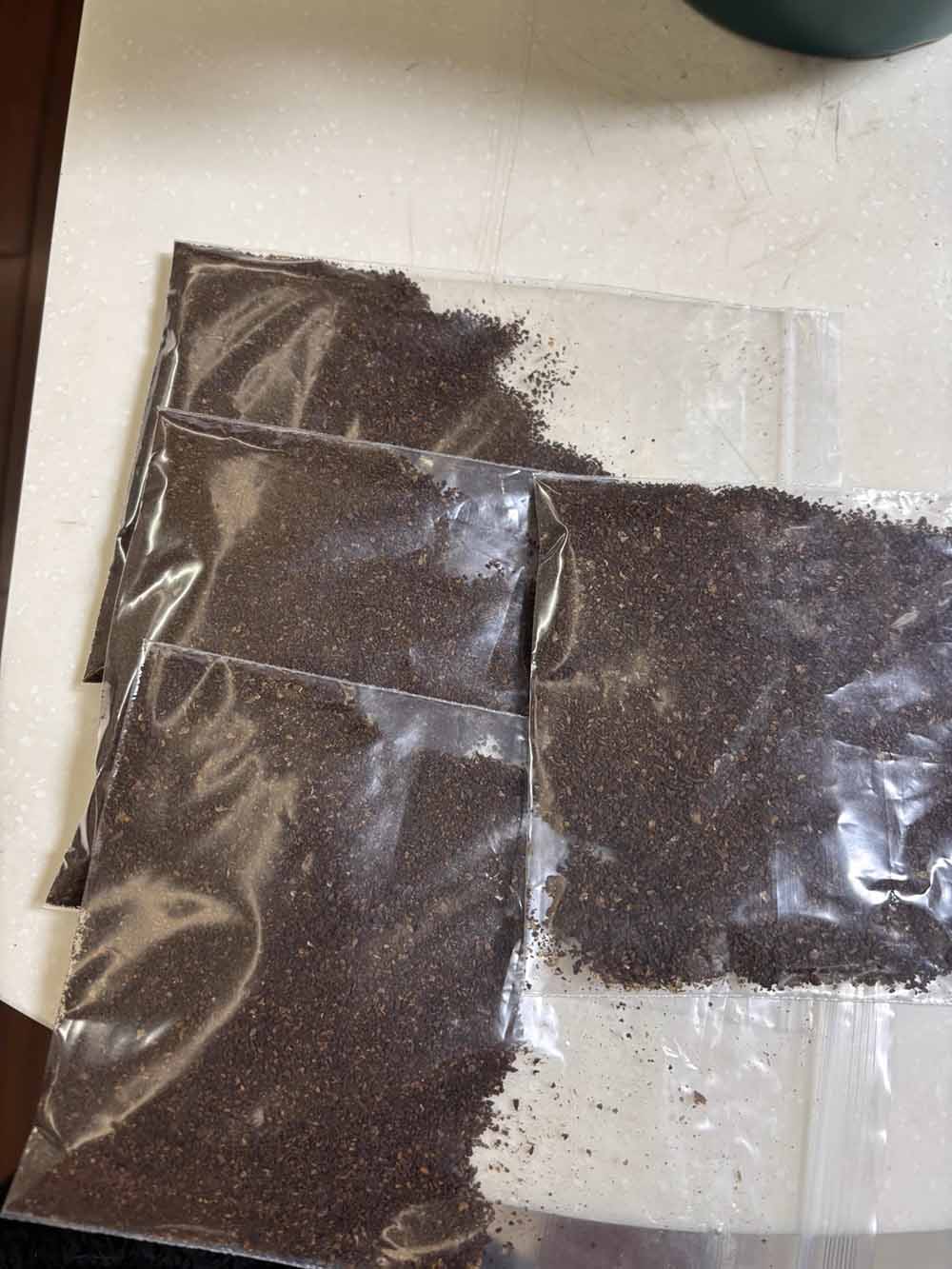
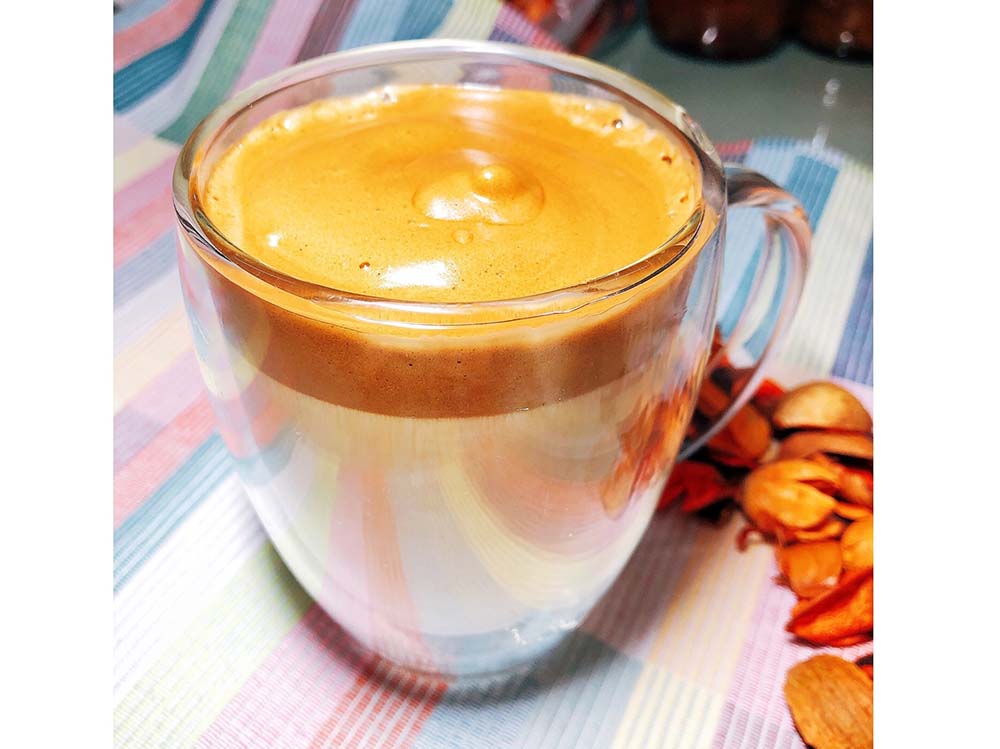 So why should you buy a manual coffee grinder? Not because of nostalgia or to snub modern machines, but because you deserve to experience for yourself what makes coffee so addictive. The tiniest details—from your hand’s rhythm to the grind’s texture—can unlock unforgettable flavors. Sometimes, the happiest crema is the one you make for yourself, one mindful turn at a time.
Written By
Daniel
Obsessed with the perfect grind size and water temperature. Sharing the journey of artisan coffee brewing.
More to Explore
Continue your journey into the world of coffee.
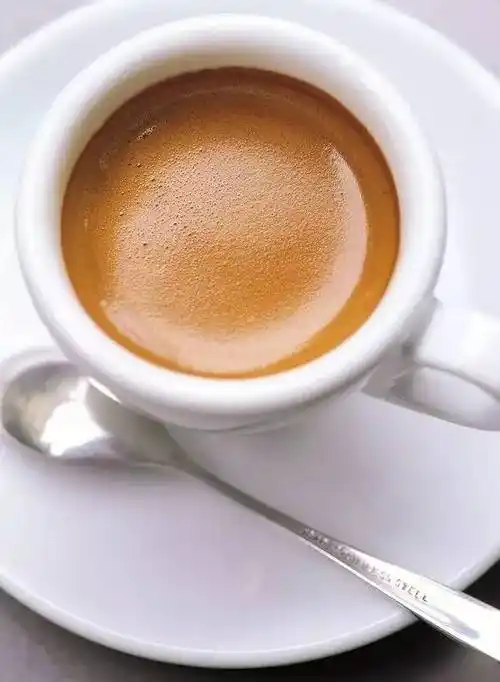
Coffee Crema Secrets: How Your Coffee Grinder Creates Perfect Espresso Foam
Unlock the secrets to that rich, v...
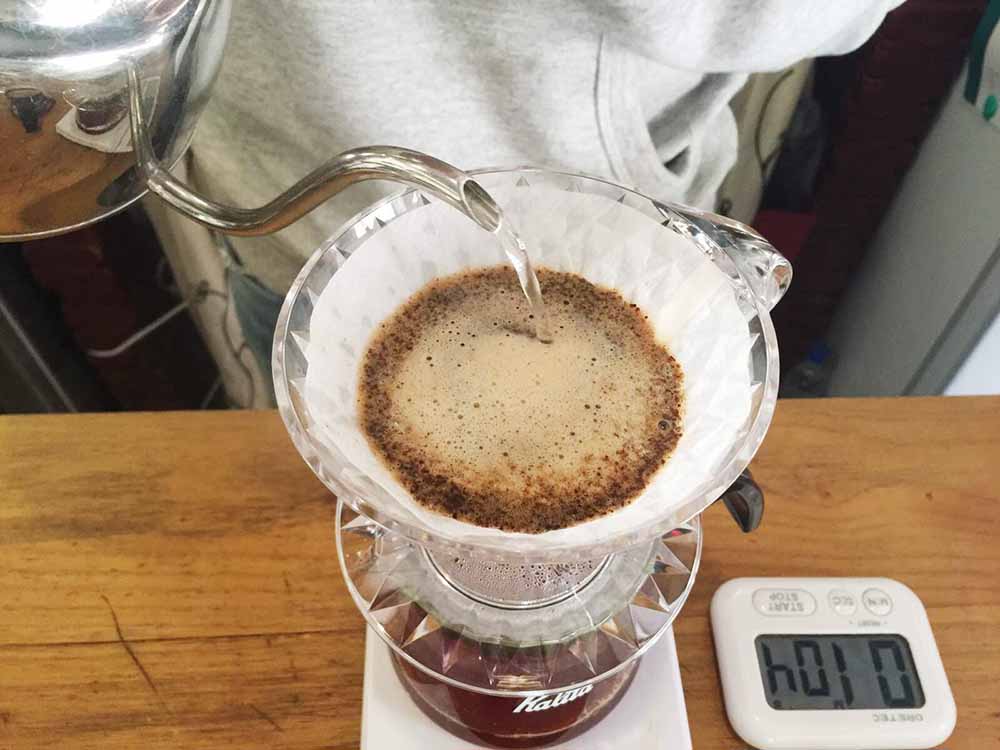
The Golden Ratio in Coffee: Myth or Must-Have? My Honest Thoughts
**Is the “Golden Ratio” Just a Coffee Myth?** I’ve been a coffee hobbyist for years—grinding my own...
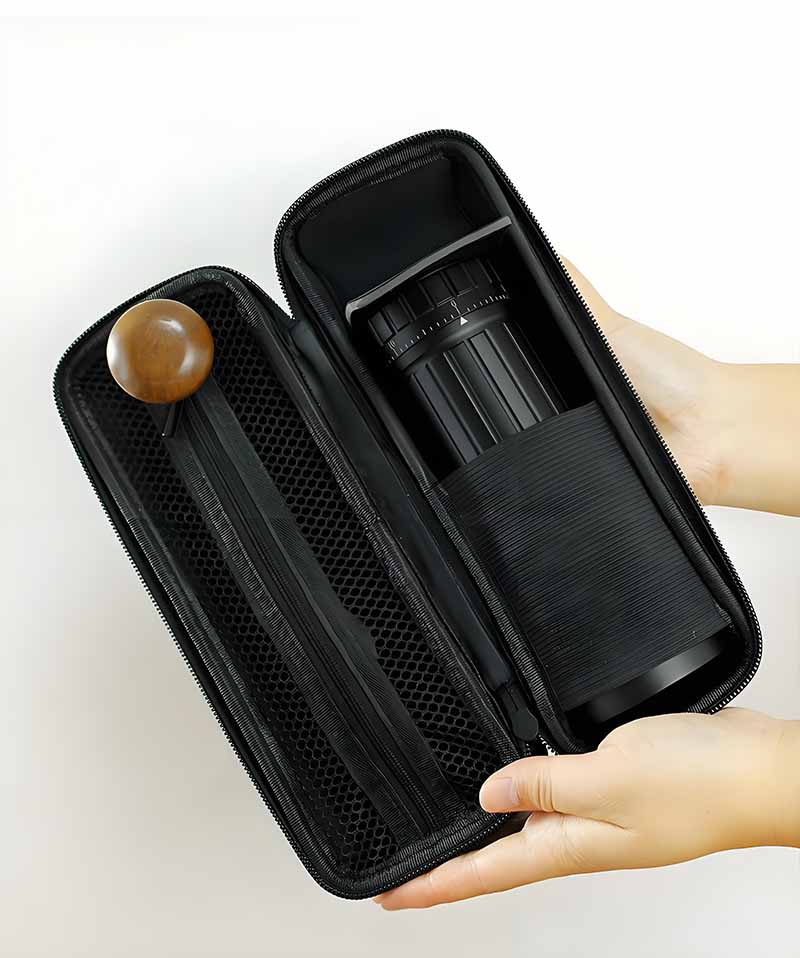
Manual Coffee Grinder Travel Case
Keep your manual coffee grinder safe and secure wherever you go! This travel case is made from durab...